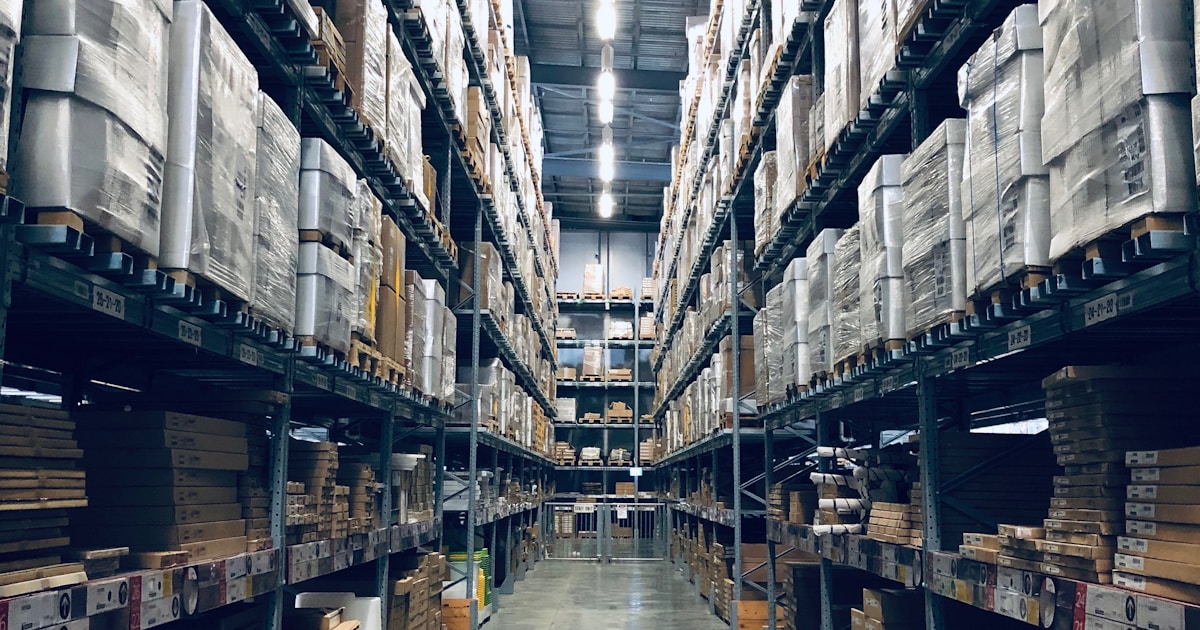
If inventory is material to the balance sheet, we attend the physical count. That often means arriving at a cold warehouse in Nishioka before the first forklift starts. The early hour is not ceremony—it is how we see whether count instructions are actually followed.
Instructions that help everyone
Clear count sheets, tagged “counted” areas, and a rule that production stops or is carefully ring-fenced make the day shorter. We ask to see the written instructions a week ahead. Vague verbal briefings to part-time counters almost always produce recounts.
Sampling while the floor is live
We do not count every bin. We select locations based on value, turnover, and prior-year issues, then test both floor-to-sheet and sheet-to-floor. Watching how differences are investigated tells us as much as the final variance report.
Work-in-progress and consignment
Manufacturers sometimes leave WIP stages half-described on the count sheet. We ask supervisors to estimate completion percentage with the same method used in the ledger. Consignment stock held for customers or held by customers needs separate lists so ownership is not confused with presence on the shelf.
After the floor closes
Cut-off around the count date matters: last receiving report before the count, first shipment after. We reconcile those documents to the perpetual records before we leave the site whenever possible, while memories are still fresh.